It was late at night during Ramadan, and I was scrolling through a group chat filled with friends joking about early morning traditions. Suddenly, I saw someone type “tung tung tung sahur!” and I paused, puzzled. I had no idea what it meant at first. Was it a greeting?
A meme? A sound effect? After a few curious taps on Google and asking around, I finally understood the phrase. If you’ve ever seen this online or in chat and wondered what it really means, you’re about to get a full explanation.
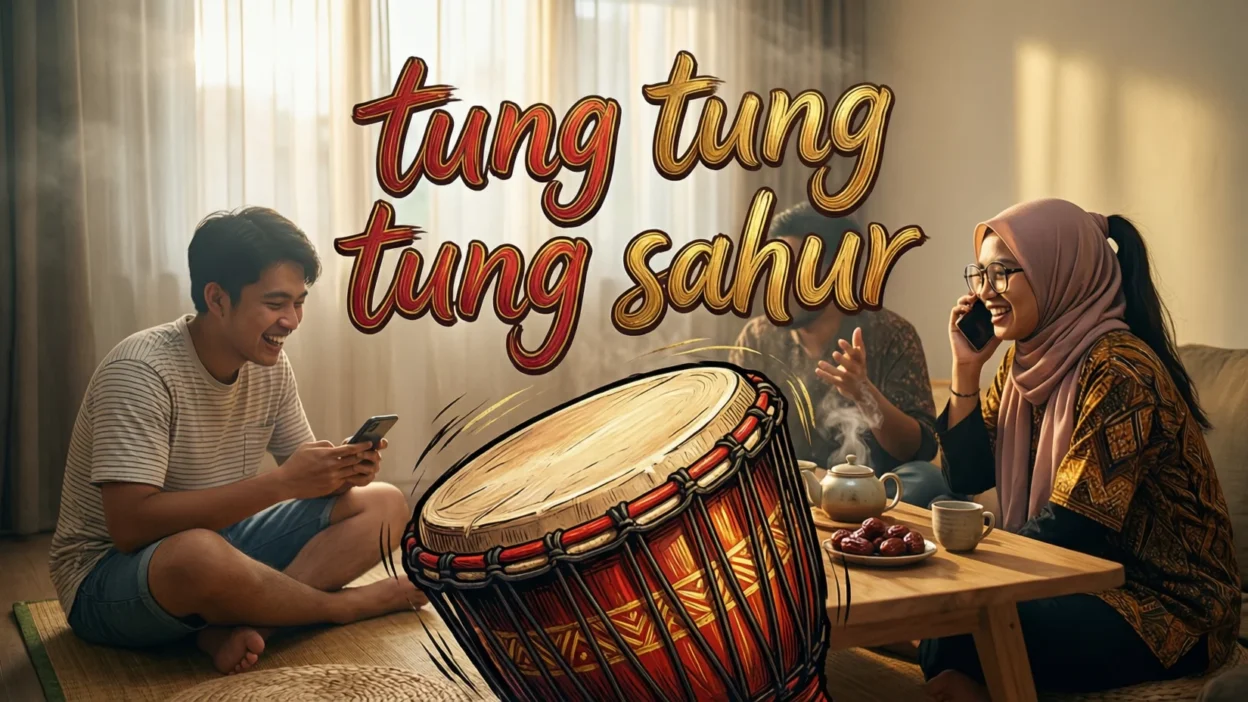
Quick Answer: “Tung tung tung sahur” is an onomatopoeic phrase mimicking the sound of a drum or bell used to wake people up for sahur, the pre-dawn meal during Ramadan.
Meaning of Tung Tung Tung Sahur in Text
The phrase “tung tung tung sahur” originates from the Indonesian tradition during Ramadan. In Indonesia, some communities have the custom of waking people up for sahur, the meal before the fast begins at dawn, by playing drums or banging a bell. The repetition of “tung tung tung” mimics that rhythmic sound.
In text or online conversations, people use this phrase to playfully remind friends to wake up for sahur or to make jokes about staying awake during Ramadan. It’s casual, fun, and often shared among friends and family who celebrate the holy month.
Example:
“hey guys, tung tung tung sahur! don’t forget to eat before fasting starts!”
Summary: It’s a fun, onomatopoeic way to signal waking up for the pre-dawn meal during Ramadan.
Where Tung Tung Tung Sahur is Commonly Used
This slang is mostly seen in informal settings online. Common places include:
- Texting or group chats among friends or family during Ramadan
- Social media posts on Instagram, Facebook, or TikTok
- Comments and DMs reacting to morning or fasting content
- Gaming chats or casual online forums during the early hours of Ramadan
The tone is casual, humorous, and friendly. It’s not used in formal writing or professional emails.
Conversation Examples
Here are some realistic chat examples showing how people might use it:
- “bro, tung tung tung sahur! get up or u’ll skip breakfast lol”
- “my stomach is like tung tung tung sahur rn”
- “tung tung tung sahur anyone else still awake?”
- “haha tung tung tung sahur, the drum guy woke me up again”
- “tung tung tung sahur time! let’s eat before fajr”
- “me: still sleeping, friend: tung tung tung sahur!”
- “tung tung tung sahur vibes, can’t believe it’s 4 am”
- “ok tung tung tung sahur, last call for breakfast before fasting starts”
- “someone pls tung tung tung sahur me, i need to wake up”
- “tung tung tung sahur lol my alarm failed me”
When to Use and When Not to Use
Do:
- Use in friendly chats with people who celebrate Ramadan
- Share in social media posts as a humorous or cultural reference
- Tag friends who love inside jokes about early mornings
Don’t:
- Use in formal or professional settings
- Send to people who aren’t familiar with Ramadan traditions
- Use as a serious alarm or literal instruction outside jokes
Comparison Table:
| Context | Example Phrase | Why It Works/Doesn’t Work |
|---|---|---|
| Chat with friends | tung tung tung sahur! | Works: casual, funny, relatable |
| Office email | tung tung tung sahur | Doesn’t work: too informal |
| Public Ramadan post | tung tung tung sahur vibes | Works: playful and culturally relevant |
| Chat with non-Muslims | tung tung tung sahur | Doesn’t work: might confuse recipients |
Similar Slang Words or Alternatives
| Slang/Alternative | Meaning and Use |
| sahur time | Straightforward reminder to eat before fasting |
| drum wake-up | Describes the traditional drum used to wake people for sahur |
| pre-dawn munchies | Playful way to talk about eating before sunrise |
| early bird ramadan | Lighthearted slang for people waking up early for sahur |
| fast starter | Casual phrase for someone who begins their fast properly |
FAQ
1. What does “tung tung tung sahur” literally mean? It literally imitates the sound of a drum used to wake people for sahur, the pre-dawn meal during Ramadan.
2. Is it used formally?
No, it’s always informal, used in chats, social media, or casual conversations.
3. Who typically uses it? Mostly young people or social media-savvy individuals in Muslim communities, especially in Indonesia.
4. Can non Muslims use it? Yes, but it’s best used respectfully and in a context where the cultural meaning is understood.
5. Which platforms is it popular on? Instagram, TikTok, WhatsApp, Twitter, and gaming chats during Ramadan.
6. Is it a serious alarm? No, it’s playful. People might still set a real alarm for sahur.
7. Can it be used outside Ramadan? Rarely, because it’s culturally tied to Ramadan traditions.
Final Thought
“Tung tung tung sahur” is more than just a quirky phrase. It’s a playful reflection of modern digital communication meeting cultural traditions.
If you’re sharing a funny morning reminder, joining friends in group chats, or making lighthearted social media posts during Ramadan, this phrase brings laughter and connection. Understanding its context and casual tone helps you use it appropriately and enjoyably in online conversations.

Watson is a naming niche expert and the author at Namefluxs.com, specializing in unique usernames, nicknames, and brand name ideas based on modern trends and user intent.