
The first time I saw the words “in transit”, it was on a delivery app. I had ordered something online, kept refreshing the tracking page, and suddenly the status changed. No emojis. No extra info.
Just two words: in transit. I remember thinking, Is it coming today? Is it stuck somewhere? Or is it lost forever? Later, I started seeing the same phrase in emails, texts, and even work chats. That’s when I realized “in transit” shows up way more often than we think online, offline, and everywhere in between. Let’s break it down in a simple, clear way.
Quick Answer
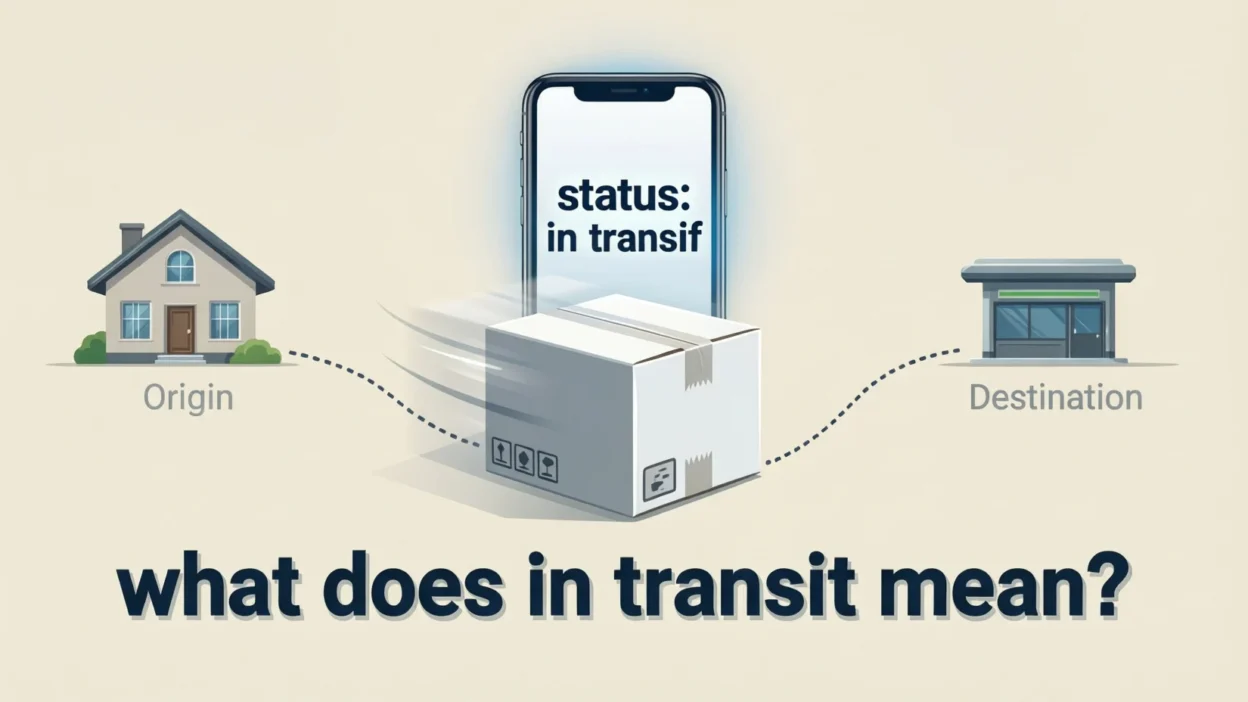
In transit means something is currently on the way from one place to another but has not arrived yet.
What Does “In Transit” Mean in Text and Online?
Full form
There is no full form or abbreviation. In transit is a complete phrase.
Plain English meaning
When something is in transit, it is moving, being delivered, or traveling between locations. It has already left the starting point but hasn’t reached the final destination.
This can apply to:
- packages
- messages or data
- people (traveling)
- money transfers
Why people use it
People use in transit because it sounds clear, neutral, and professional. It explains a situation without giving too many details.
Short example sentence
“your order is in transit and should arrive tomorrow.”
Bold summary: “In transit” means something has been sent and is on its way but hasn’t arrived yet.
Where Is “In Transit” Commonly Used?
The phrase in transit is not slang, but it’s very common in digital communication.
Common places you’ll see it
- text messages (delivery updates, casual info)
- social media DMs (selling, buying, shipping)
- email notifications (orders, work updates)
- online shopping apps (tracking status)
- banking apps (money transfers)
- gaming or forum chats (items, accounts, updates)
Tone of the phrase
- Neutral to formal
- Works in both casual and professional settings
- Not playful or emotional
It fits perfectly in modern texting culture when you want to sound clear and calm, not dramatic.
Realistic Conversation Examples (Texting Style)
Here are some natural, modern examples you might see online or in chats. All written in lowercase, just like real texting 👇
- “your package is in transit rn”
- “money is in transit, should hit by morning”
- “the files are in transit between servers”
- “driver said food is in transit”
- “it’s not delayed, just in transit”
- “order status changed to in transit today”
- “my passport is in transit to the embassy”
- “gift is in transit, don’t check tracking lol”
These examples show how flexible the phrase is across texting, online chat meaning, and daily communication.
When to Use and When NOT to Use “In Transit”
✅ Do use it when:
- something has already been sent
- you want a clear status update
- you’re talking about delivery, travel, or transfer
- you need a neutral or professional tone
❌ Don’t use it when:
- something hasn’t been sent yet
- something has already arrived
- you want emotional or playful language
- the situation needs exact timing or detail
Small Comparison Table
| Context | Example Phrase | Why It Works / Doesn’t |
|---|---|---|
| package tracking | “your order is in transit” | works: clear delivery status |
| before sending | “it’s in transit” | doesn’t work: not sent yet |
| casual joke | “my mood is in transit” | confusing, unclear |
| bank transfer | “funds are in transit” | works: neutral and accurate |
Similar Words and Alternatives to “In Transit”
Sometimes people use other words depending on the situation. Here are common alternatives and what they mean.
On the way
- Meaning: coming soon
- Use when: casual chats or texting
- Example: “food is on the way”
Shipped
- Meaning: sent out by seller
- Use when: online shopping updates
- Example: “your order has shipped”
En route
- Meaning: traveling to destination
- Use when: slightly formal or travel-related
- Example: “driver is en route”
Processing
- Meaning: being prepared, not sent yet
- Use when: before transit starts
- Example: “order is still processing”
Pending
- Meaning: waiting, not moving
- Use when: approval or action is needed
- Example: “payment is pending”
Each alternative fits a different moment in the delivery or transfer process, so choosing the right one matters.
Frequently Asked Questions (FAQ)
1. Does “in transit” mean delayed?
No. In transit does not mean delayed. It simply means the item is currently moving.
2. Is “in transit” formal or informal?
It’s neutral. You can use it in both casual texts and professional emails.
3. Can “in transit” be used in texting slang?
Yes, even though it’s not slang, it’s commonly used in modern texting and online chats.
4. Does “in transit” mean it will arrive today?
Not always. It only means it’s on the way, not the exact arrival time.
5. Can people be “in transit”?
Yes. It means a person is traveling between places.
6. Is “in transit” used on social media?
Yes, especially in DMs, selling posts, and order updates.
7. Can money be “in transit”?
Yes. Banks use it when funds are moving but not yet received.
Why “In Transit” Matters in Digital Communication
In today’s fast paced online world, people want quick updates without confusion. That’s why in transit works so well. It’s short, clear, and easy to understand, even at a Grade 5–6 reading level.
Whether you’re checking a package, waiting for money, or tracking something online, this phrase keeps expectations realistic without extra explanation.
Final Thought
So, what does in transit mean? Simply put, it means something is on the way but hasn’t arrived yet. It’s a neutral, widely used phrase that fits perfectly into texting culture, online chat meaning, social media slang spaces, and even professional communication.
Once you understand it, you’ll notice it everywhere and you’ll always know exactly what’s going on.