The first time you saw someone write “cis” in a comment, DM, or group chat, you probably paused. Was it a typo? Was it short for something? Maybe a friend mentioned it casually in a conversation about gender, and you had no idea what it meant.
If you’ve ever felt confused when scrolling social media or reading an article and came across cis, you’re not alone. It’s one of those terms that seems simple once you know it but can be confusing if you’ve never heard it before. Understanding it makes online chats, discussions, and texts much easier to follow.
Quick Answer
Cis means a person whose gender identity matches the sex they were assigned at birth.
What Does Cis Mean in Text?
The term cis is short for cisgender. In plain English, it refers to someone whose gender identity is the same as the sex they were assigned when they were born. For example, someone assigned female at birth who identifies as a woman is considered cis. Similarly, someone assigned male at birth who identifies as a man is also cis.
People use cis because it provides a simple, clear way to describe gender identity without long explanations. In modern conversations about gender and identity, using the term helps create clarity and respect.
Example sentence:
“my sister is cis, but my friend identifies as non-binary”
Bold summary:
Cis means a person whose gender identity aligns with their sex assigned at birth.
Where Is “Cis” Commonly Used?
You’ll find cis mostly in conversations about gender and identity. It appears on:
- social media posts and threads
- comments and discussions on Instagram, Twitter, and TikTok
- DMs and group chats among friends
- online forums like Reddit
- educational articles or discussion boards
The tone of cis is generally neutral and informative. It’s not slang in the casual sense like “sus” or “dw,” but it is often used in friendly and respectful online chats, especially among younger audiences familiar with gender discussions. In formal settings, such as professional articles or academic papers, cisgender is usually spelled out.
Realistic Conversation Examples Using “Cis”
Here are natural texting-style examples showing how cis is used in modern online chats:
- “my brother is cis, but he’s really supportive of my transition”
- “i didn’t know if i should mention it since they’re cis”
- “she’s cis but super understanding about pronouns”
- “my friend is cis and asked a lot of good questions”
- “not everyone here is cis, so let’s be mindful”
- “he’s cis but totally open to learning”
- “i didn’t realize i was the only cis person in the group chat lol”
- “cis people might not understand this fully”
- “my mom is cis but she’s really accepting of everyone”
- “it’s fine, he’s cis and meant no harm”
When to Use and When Not to Use “Cis”
Do use “cis” when:
- talking about gender identity respectfully
- distinguishing between cisgender and transgender experiences
- discussing pronouns and inclusivity
- participating in social media discussions about identity
- writing online forums or educational posts
Don’t use “cis” when:
- trying to insult someone
- assuming everyone understands gender terminology
- in formal professional emails without context
- labeling someone without their consent
Comparison table:
| Context | Example Phrase | Why It Works / Doesn’t |
|---|---|---|
| social media thread | “she’s cis but supportive” | neutral and informative |
| casual chat | “my friend is cis” | clear and friendly |
| professional email | “cis people should…” | may confuse readers |
| joke or roast | “you’re just cis lol” | inappropriate and insensitive |
Similar Terms and Alternatives
If you want alternatives or related words:
| Term | Meaning | When to Use |
|---|---|---|
| cisgender | full form of cis | formal or educational settings |
| transgender | someone whose gender identity differs from assigned sex | contrast with cis |
| non-binary | someone who doesn’t identify strictly as male or female | inclusive discussions |
| genderqueer | similar to non-binary, more fluid | identity conversations |
| gender diverse | umbrella term for all non-cis identities | broad context |
Using these terms helps maintain respectful conversations while addressing gender topics accurately.
Frequently Asked Questions
1. What does cis mean in simple words?
Cis means a person’s gender identity matches the sex they were assigned at birth.
2. Is cis offensive?
No, it’s neutral and factual, but context matters—don’t use it to mock someone.
3. Can cis be used online?
Yes, it’s commonly used in social media, DMs, and forums to discuss gender respectfully.
4. Do adults use cis?
Yes, anyone aware of gender discussions may use it, but it’s especially common among younger or online savvy audiences.
5. Is cis formal language?
It can be both formal and casual. In professional contexts, spell out cisgender. In online chat, cis is widely understood.
6. How is cis different from trans?
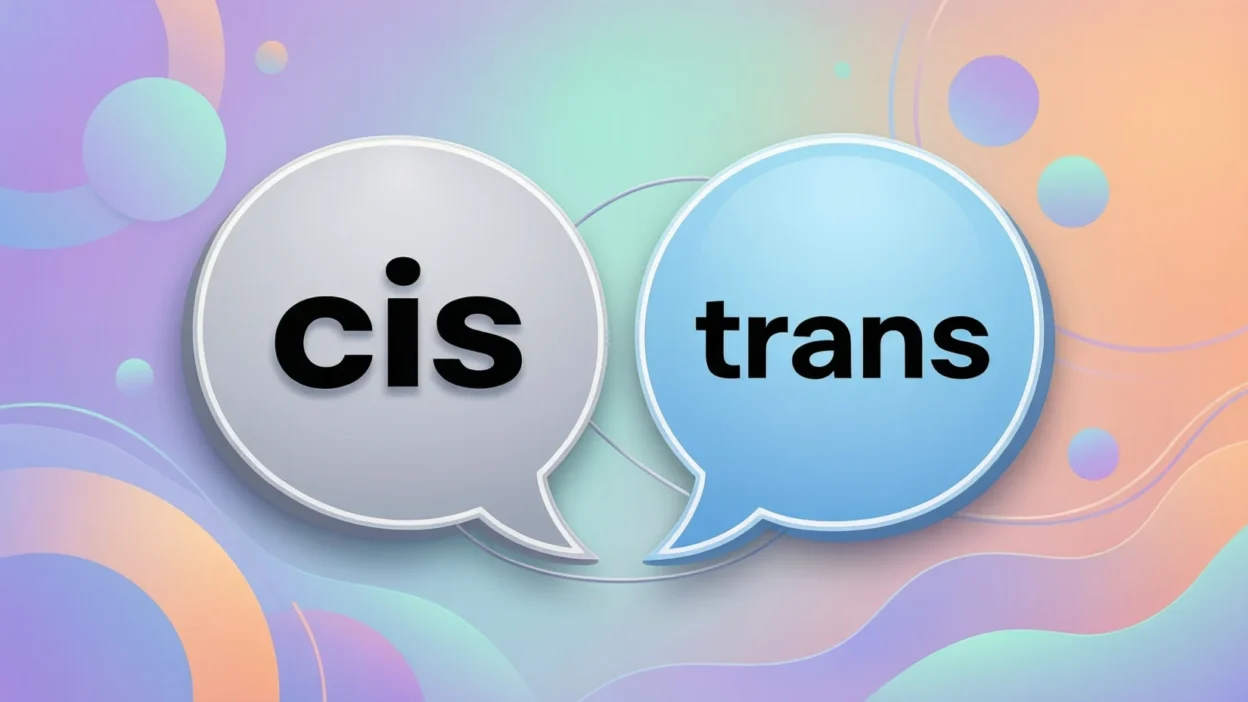
Cis means your gender matches your assigned sex. Trans means it does not.
7. Should I label someone as cis?
Only if the context requires it and preferably if the person has shared their gender identity.
Final Thought
So, what does cis mean? It refers to someone whose gender identity matches the sex they were assigned at birth. Knowing this term helps navigate conversations about gender with clarity, respect, and awareness.
If in social media, chats, or online forums, understanding cis and related terms is essential in today’s digital and social media savvy world. Using it appropriately encourages respectful, inclusive discussions and helps everyone feel seen and understood.

Watson is a naming niche expert and the author at Namefluxs.com, specializing in unique usernames, nicknames, and brand name ideas based on modern trends and user intent.